
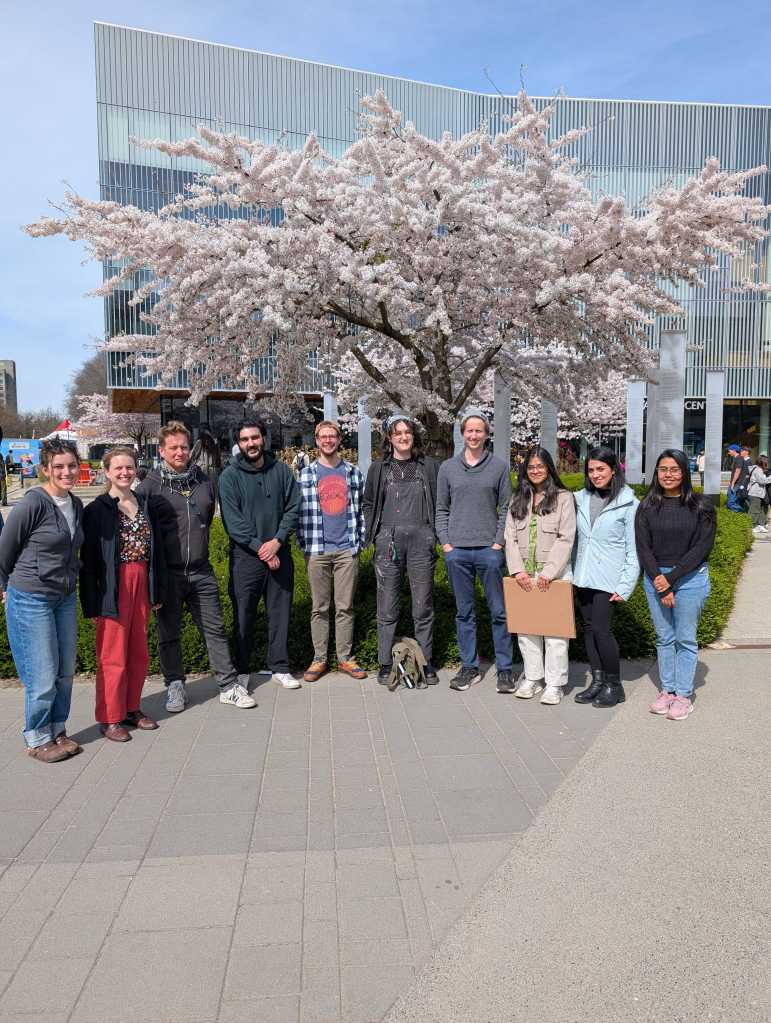


Group Values
We aim to work according to the following values, which have been defined collectively by our team:
- Our group is committed to conducting rigorous research using principles from engineering and environmental analytical chemistry. We are intentional in our selection of methods and meticulous in their implementation.
- We value justice, equity, diversity, and inclusion within our group and in broader society. We engage with feminist, anticolonial, and antiracist principles through self-education and practice.
- We value collective input and action in leading our group. All members are encouraged and supported to decide on our day-to-day functionality and future directions. We commit to giving each group member an equal voice in lab affairs.
- As a group, we strongly value community engagement and aim to produce broadly accessible and pertinent research for positive environmental impact. We build partnerships that produce knowledge and solutions to achieve this.
- We’re curious and creative. We find joy in the process of discovery. We strive to think of original ways to solve problems and continue to improve and innovate existing solutions.
Group Members
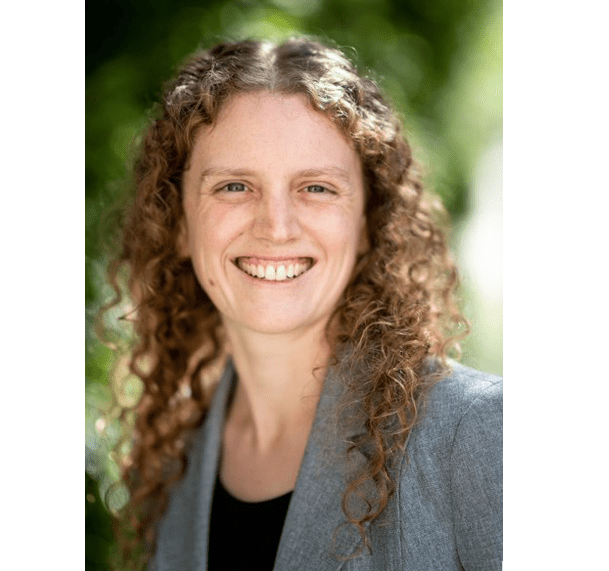
Dr. Rachel Scholes
Rachel Scholes (she/her) is an Assistant Professor in the Department of Civil Engineering at the University of British Columbia. Dr. Scholes brings experience in environmental chemistry, engineering, and safer chemical alternatives in order to address contaminants of concern for human and environmental health. Her research focuses on optimizing trace contaminant removal in engineered and nature-based water treatment systems, and on identifying alternatives to harmful chemicals. Dr. Scholes earned an M.S. and Ph.D. in Environmental Engineering from the University of California, Berkeley, and a B.S. in Chemical Engineering from Northwestern University.

Yanru Wang
Yanru is a Ph.D. student in the Department of Civil Engineering. She completed her M.Eng. (2020) in Environmental Engineering at the University of Alberta. She is interested in the fate and transformation of trace organic contaminants (i.e., biocides) in stormwater runoff and Best Management Practices (BMPs) for these contaminants. For her M.Eng. study, Yanru investigated the flood mitigation capacity of bioretention. Currently, her research focuses on developing new media in wetlands for stormwater management and treatment. She hopes to convert stormwater from a waste to a resource through rigorous natural treatment systems.
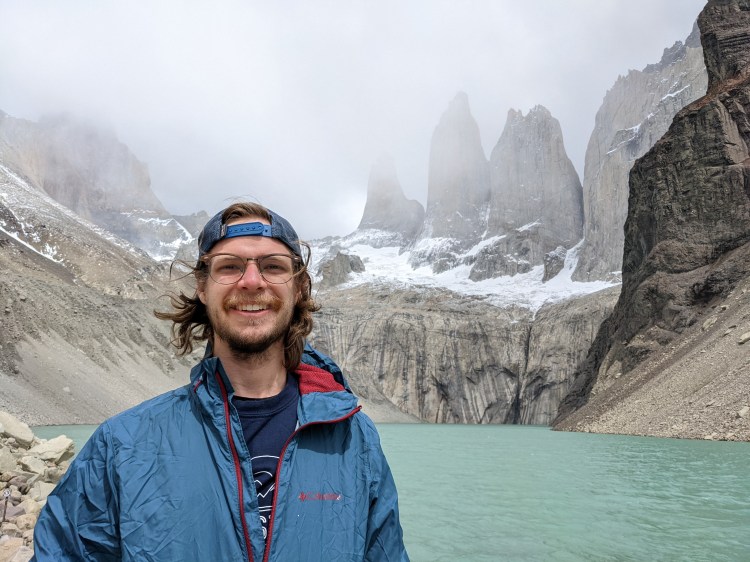
Jeff Wight
Jeff is a PhD student in civil engineering at UBC. He has received a B.S in chemistry and an M.S. in environmental engineering from Utah State University. Primarily interested in environmental chemistry and the fate and transport of organic contaminants, his current research involves investigating endocrine disrupting compounds that enter marine environments from wastewater treatment plant effluent. When not in the lab, you can probably find him hiking trails that are entirely too long.
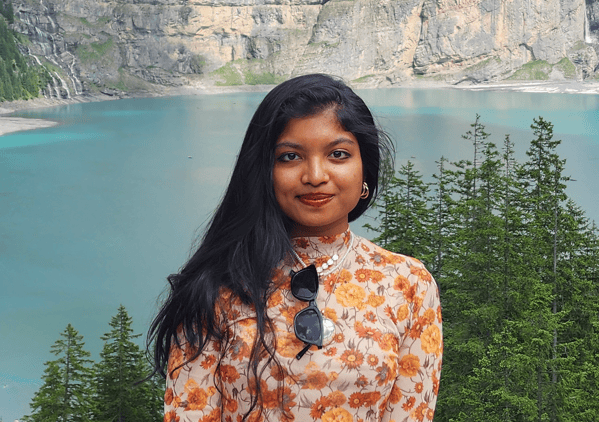
Prithula Purna
Prithula Purna (she/her) is a PhD student in Civil Engineering – Environmental Systems Engineering at the University of British Columbia. Originally from Bangladesh, she completed her BSc in Civil Engineering at Bangladesh University of Engineering and Technology (BUET) in 2021 and her MSc in Environmental Engineering jointly at UCT Prague, IHE Delft, and Ghent University with Erasmus Mundus scholarship in 2024. In the Scholes Lab, her work focuses on designing treatment technologies for stormwater draining artificial turf fields. In her free time, Prithula likes reading and travelling.
Kira Mok
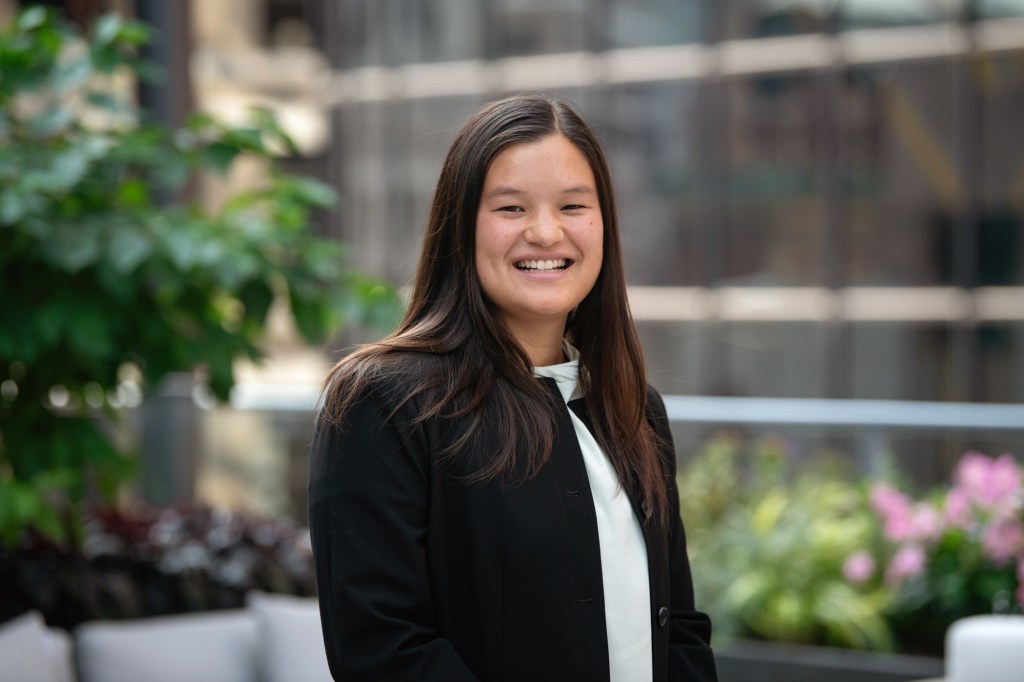
Kira Mok (she/her) is a MASc student at the University of British Columbia in Civil Engineering — Environmental Systems Engineering. Kira is from San Diego, California, but most recently lived in Boston, Massachusetts. She completed her Bachelor’s in Environmental Studies and Sociology from Northeastern University in 2023 and then worked as an environmental protection specialist. She’s interested in mixed methods research that incorporates community perspectives to understand environmental contamination. Most of her past research was around PFAS chemicals, but she’s looking forward to focusing on microplastics in her MASc!
Katie Moloney
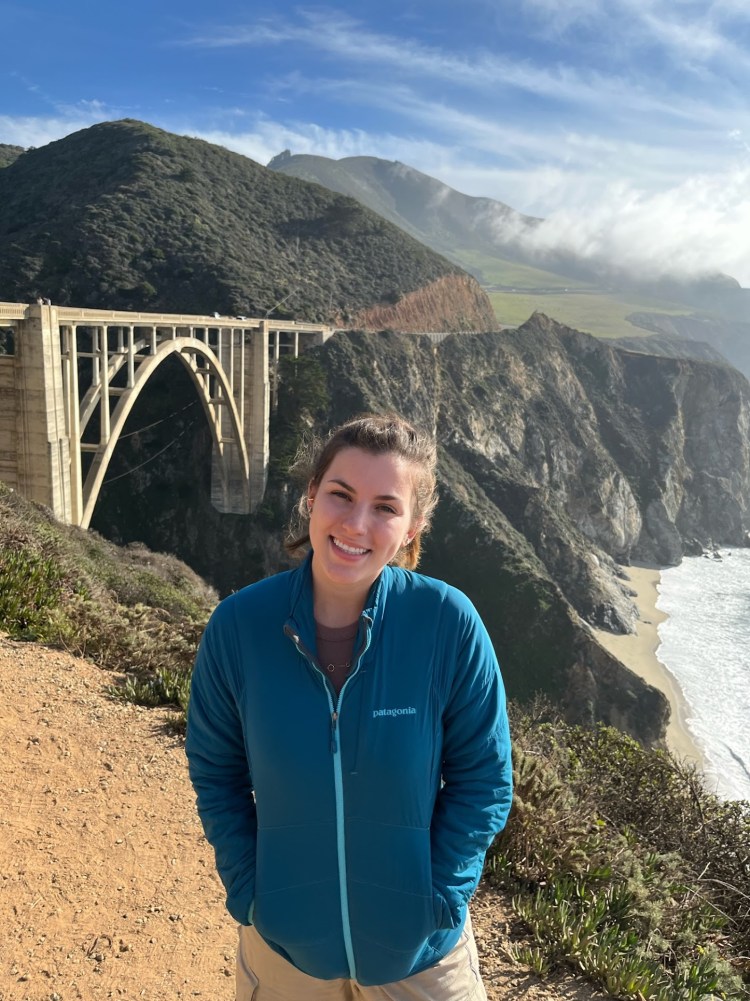
Katie Moloney (she/her) is a MASc student at the University of British Columbia in Civil Engineering – Environmental Systems Engineering. Katie is originally from the United States and she completed her Bachelor’s in Environmental Engineering at Northeastern University in 2023. Here in the Scholes Lab, she works to identify and understand tire wear particle compounds often found in stormwater runoff from roadways. In her free time, you can find Katie out hiking, skiing, camping, or generally tagging along to anything that can get her into the mountains for a bit.

Jessica Sun
Jessica Sun (she/her) is a MASc Civil Engineering student specializing in environmental systems engineering. She completed a Bachelor of Environmental Engineering at UBC in May 2025. In the Scholes Lab, she is researching the effectiveness of biochar for the removal of 6PPD-quinone (formed in tire wear) in road runoff collected in bioretention cells. She has previously worked in water resource management at Environment and Climate Change Canada. In her free time, Jessica likes to knit, write, and go birdwatching.
Previous Lab Members
Dr. Timothy Rodgers. Postdoc (2026)
Dr. Mahboubeh Mirzaei. Postdoc (2025)
Ritu Progga Saha. MASc (2026)
Aishwarya Das. MASc (2024)
Cayla Anderson. MASc (2023)
Rodrigo González Arreola. Undergraduate researcher (2026)
Yashi Prakash. Undergraduate researcher (2025)
Megan Dale. Undergraduate research (2025)
Mackenzie Leckie. Undergraduate researcher (2025)
Abril Mena Herrera. Undergraduate researcher (2024)
Zoe Salinas. Undergraduate researcher (2024)
Jerith Charleson-Sterritt. Undergraduate researcher (2024)
Ayesha Mushtaq. Undergraduate researcher (2023)
Joy Ding. Undergraduate researcher (2023)
Antonio Dias. Undergraduate researcher (2022)
Sam Watanabe. Undergraduate researcher (2022)

