The ubiquitous release of chemicals from human activities poses risks to both human health and ecosystems, and exacerbates the increased pressure on water supplies posed by climate change and growing urban populations. Our research aims to address the impacts of anthropogenic contaminants on communities and the environment. We focus primarily on trace organic contaminants that are toxic to aquatic organisms and humans. Our approach includes developing treatment systems that remove contaminants from water (and stormwater, wastewater), investigating the formation of toxic transformation products in treatment systems, and assessing opportunities to reduce the use of toxic chemicals.
Our research methods include using sensitive analytical techniques, developing experimental methods to investigate chemical transformations, and collecting field samples to assess contaminant fate. We partner extensively with cities, communities, and government agencies to ensure our research prioritizes the needs of communities impacted by environmental pollution, and advances public health and sustainable ecosystems.
Nature-Based Treatment
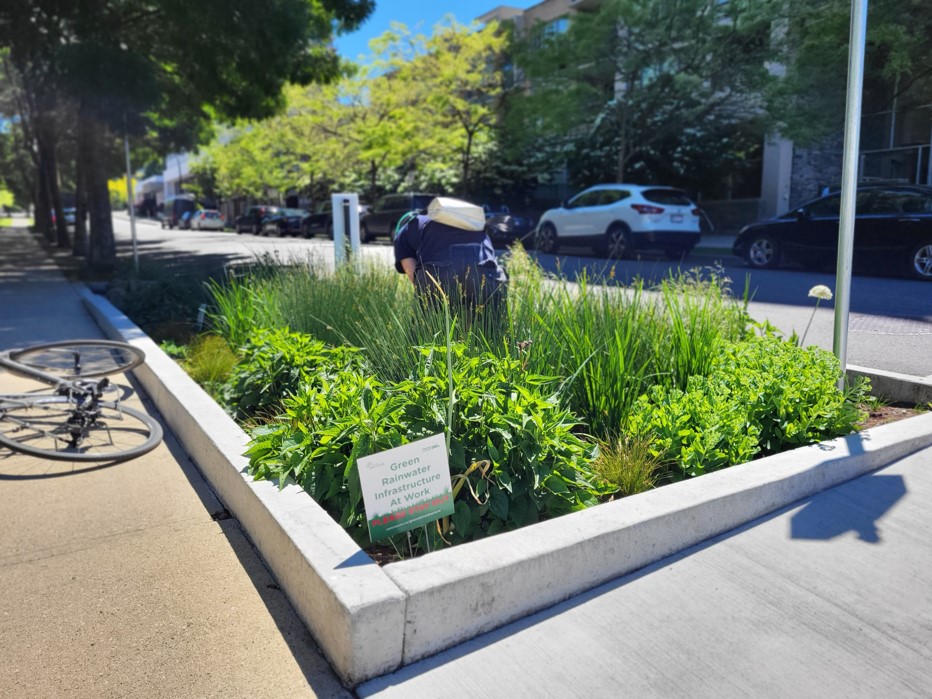
Designing natural treatment systems that can efficiently treat multiple contaminant classes.
Transformations of Emerging Contaminants

Addressing trace contaminants and their transformation products in water systems.
Safer Alternatives
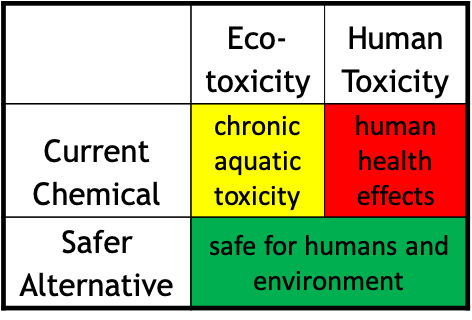
Assessing safer alternatives to toxic trace contaminants.
Current Research Areas
Trace contaminants in urban stormwater, and treatment in green infrastructure systems. In urban areas, stormwater runoff transports contaminants from roads and buildings to nearby aquatic ecosystems. The resulting mixture of chemical contaminants includes transformation products with poorly understood occurrence and fate that may contribute to urban runoff toxicity (e.g., the tire rubber-derived 6PPD-quinone, which is acutely toxic to coho salmon). Green infrastructure, including constructed wetlands and bioretention cells, are increasingly used to reduce flooding during storm events, but they are currently not capable of removing toxic and relatively hydrophilic trace organic contaminants. Our group is investigating the occurrence of transformation products in urban stormwater, their fate in bioretention systems, and opportunities to amend green infrastructure systems to enhance removal of trace organic contaminants.
Endocrine disrupting compounds in the Strait of Georgia. Endocrine disrupting chemicals (EDCs) comprise a class of emerging contaminants that includes naturally-occurring and synthetic chemicals that interfere with hormone systems. Complex mixtures of EDCs occur in wastewater treatment plant effluent and have the potential to adversely affect aquatic ecosystems. Our group is assessing the phototransformation of EDCs in surface waters and partnering with collaborators in oceanography to assess the impacts of EDCs in the Strait of Georgia.
PFAS in B.C. drinking water. Per- and polyfluoroalkyl substances (PFAS) are a class of toxic contaminants that have been widely found in drinking water due to their extensive use in industrial processes and consumer products. Health Canada has developed water quality objectives for several PFAS compounds, but these recommendations have not yet been adopted as enforceable regulations. To better understand the current risk posed to consumers of tap water in B.C. and the potential cost of enforcing PFAS drinking water regulations, our team is assessing the occurrence of these compounds in tap water throughout the province.
 Scholes Lab @ UBC